INTERPRETATION
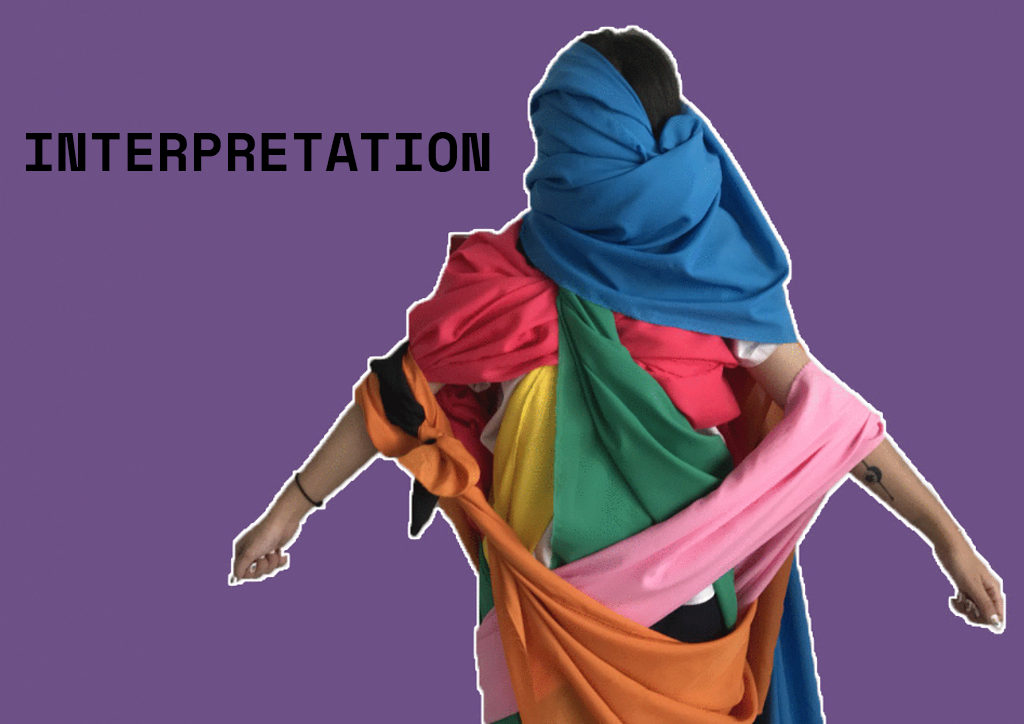
ACTION RESEARCH focused on utilizing ESL strategies corresponding to the concept of INTERPRETATION explored within the art curriculum
The video art unit incorporated into the core visual arts curriculum is centered around the concept of interpretation and encourages students to create works where they utilize performance and action as tools of language to communicate an idea to their audience. Utilizing action alone as a means to get their idea across forces them to ‘speak’ directly, and with intention. If their performances are effective, their viewer will be able to accurately interpret their intentions through the viewing of the videos, free of additional dialogue and explanation.
In order for our critique for this unit to further support the concept of interpretation, we set the classroom up in a theateresque arrangement, with the students’ chairs surrounding the large video screen where their works were to be exhibited. We then set two chairs near the front of the screening area, one for the ‘artist’ and one for an ‘interpreter.’ It was my hope that doing so would emphasize the role of the interpreter as being a separate, unique entity who, while removed from the vantage point where the artists’ perspective was drawn, also had a voice of equal value when it came to deciphering how the works could be interpreted.
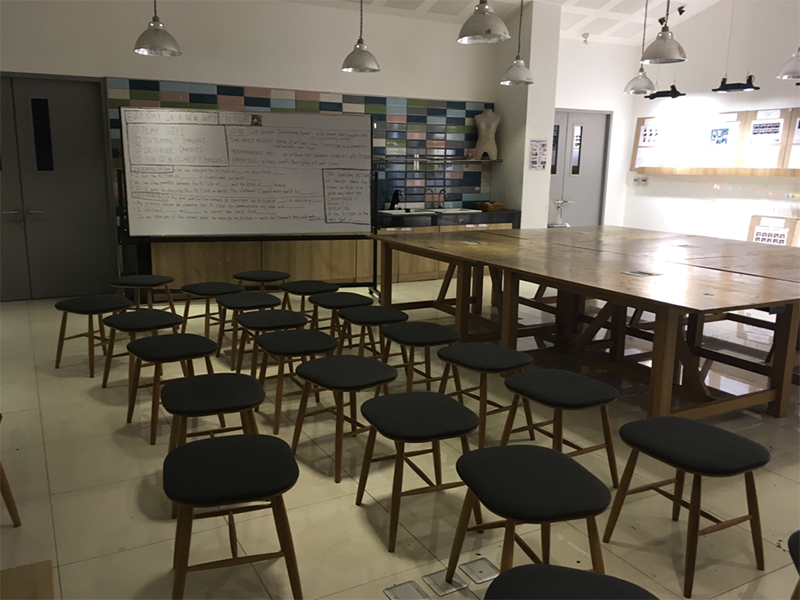
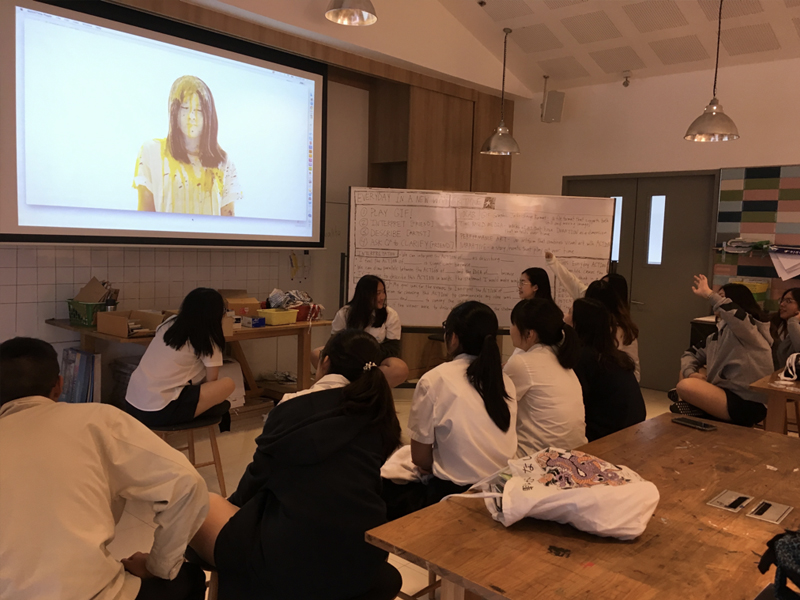
We next drew student names at random to serve as ‘artists’ and ‘interpreters.’ After viewing the selected artist’s work together, the interpreter was provided with sentence stems to assist them in communicating the meaning of the work verbally.

After the interpreter had taken a try at deciphering the meaning behind the artist’s performance and utilized the English language to verbalize their interpretation, we then gave the artist the floor. The artists were also provided with a series of sentence stems to assist them in communicating the intentions behind the movements and actions in their work through spoken language.
Following both interpreter and artist being given a chance to speak about the work, we then opened things up to the audience, providing them with a series of question prompts to welcome their participation into the dialogue. Audience members were invited to ask questions of both the artist and the interpreter, giving value to both the creator’s and the viewer’s interpretations of the work.
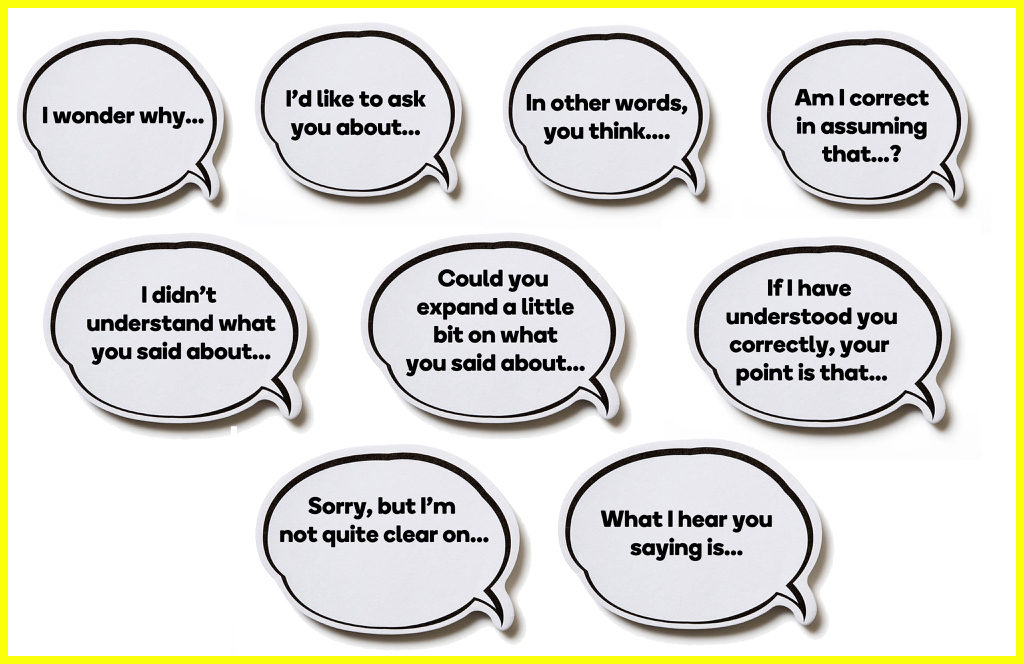
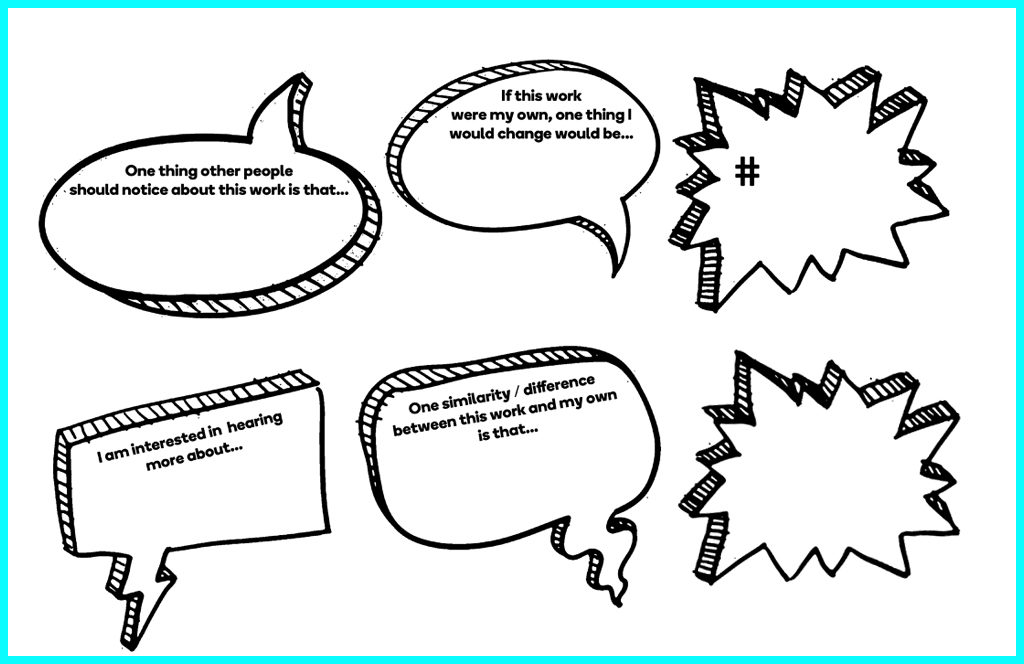
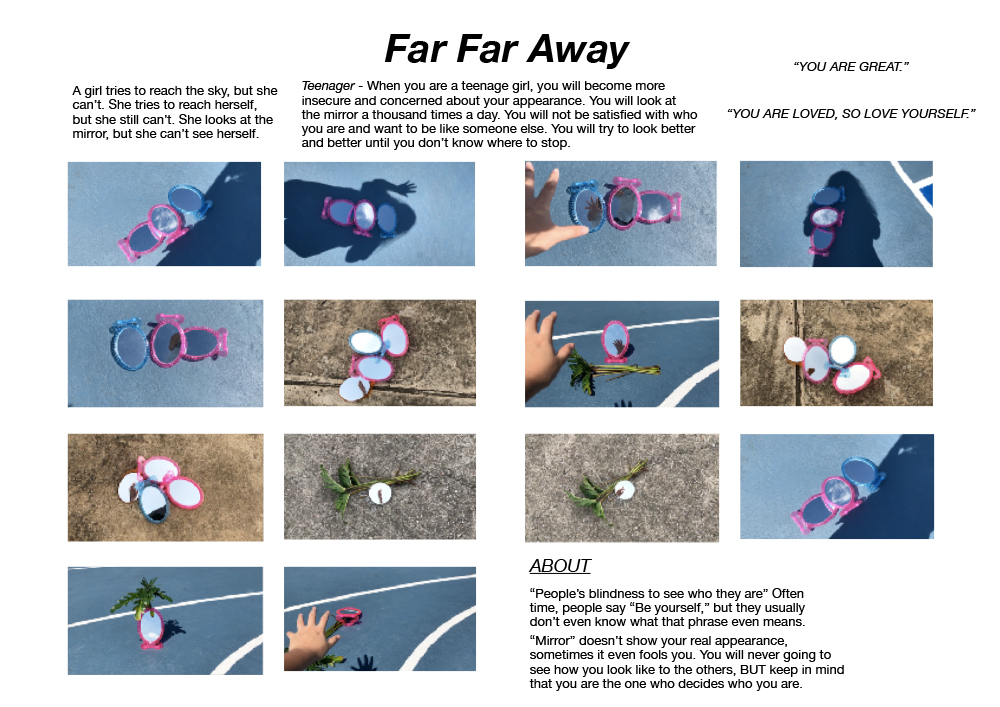
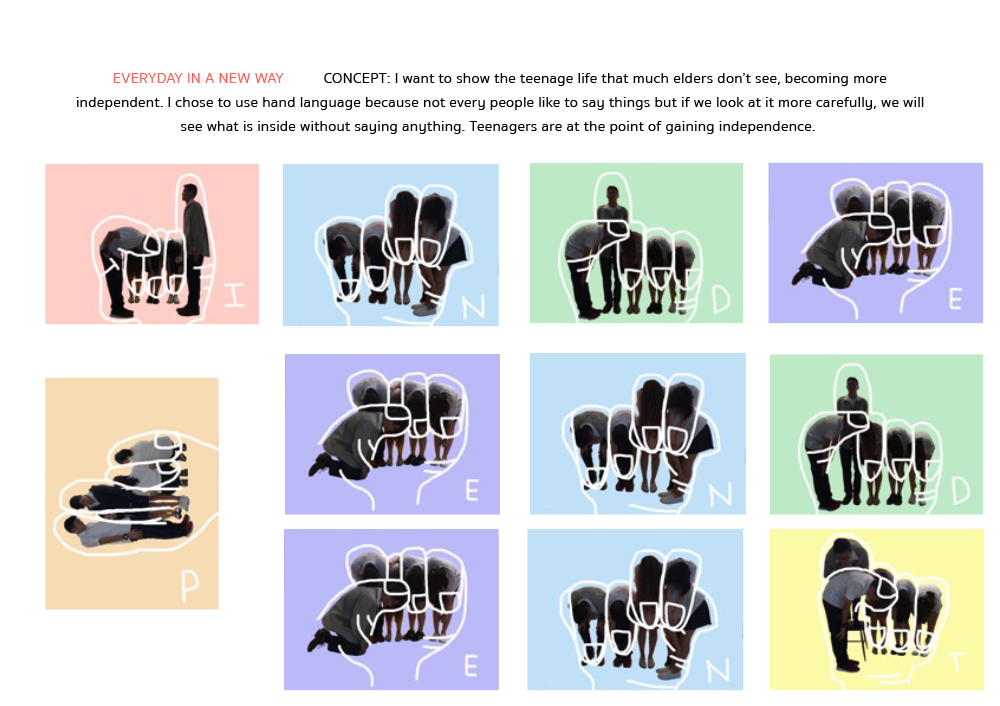
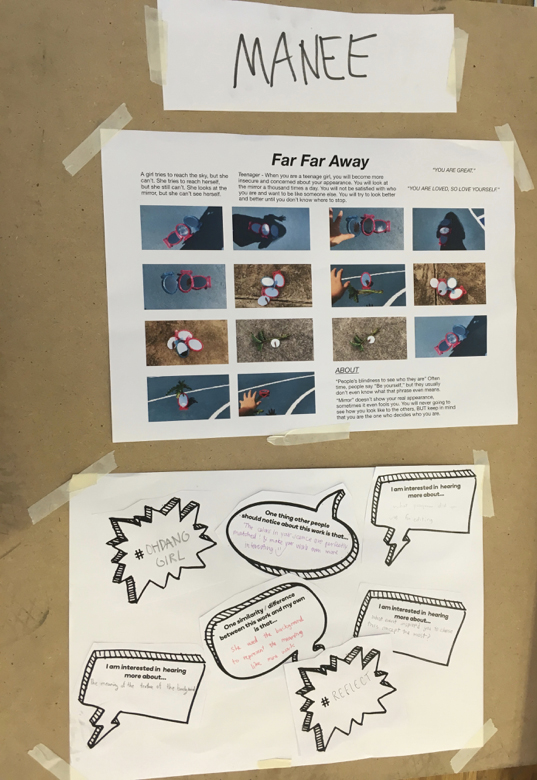
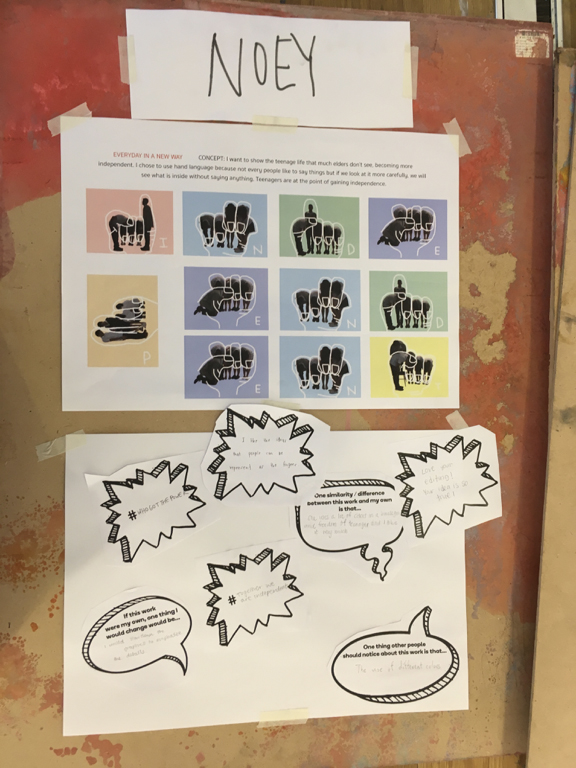
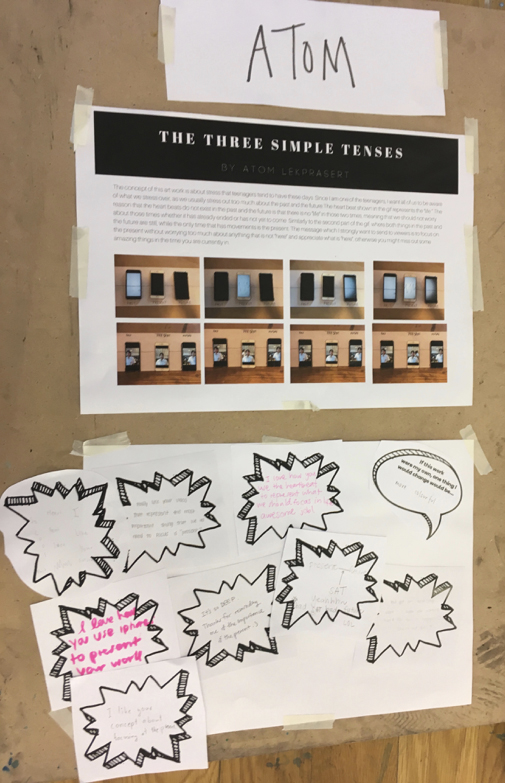
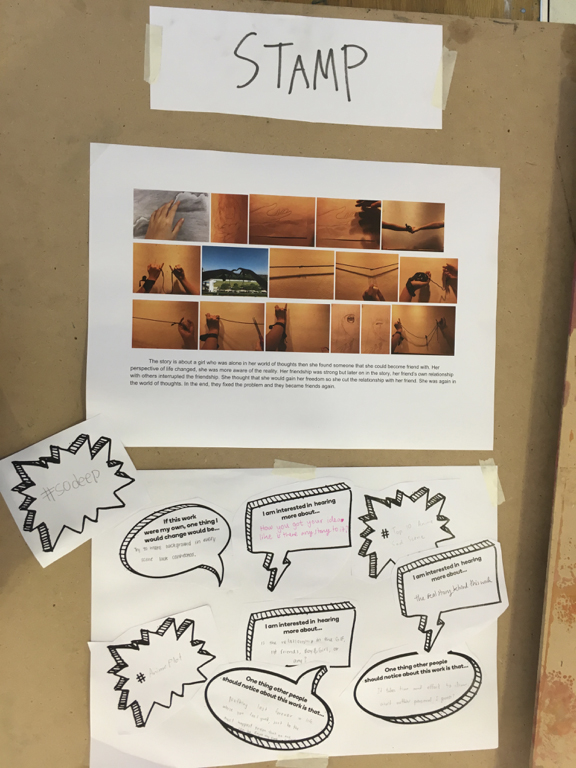
Last but not least, and as means of both incorporating some writing practice into the critique activities and giving the students a chance to get up and move around, each artist was provided with a few thought bubbles equipped with sentence stems prompting further commentary on the works. Students were asked to visit the back of the art room where each artists storyboard featuring still images of the video works and a written description describing their intentions were displayed. Students were invited to spend time viewing the images, reading the written descriptions and composing additional comments on the thought bubbles provided. The students stuck the thought bubbles directly below the storyboards, offering them a quick and anonymous way to provide one another with additional feedback on their work.
REFLECTION
One thing that surprised me about this activity was that the students seemed to find the interpreters’ takes on the works to be of equal [if not more] interest than that of the artist. I expected them to want to find the ‘right’ answer, and to seek a clear definitive meaning behind the works they were viewing. On the contrary, they seemed to find greater value in allotting the works with multiple interpretations. Both artists, interpreters and audience members remained open to the works having fluid and perhaps somewhat undefined meanings behind their creation. It seems natural that when we work hard toward expressing something in a specific manner, so as to communicate a specific idea, we would find frustration alongside additional interpretations of our intentions. On the contrary, the students utilized this critique as an opportunity to let freedom of expression, and freedom of interpretation stand on equal ground.