Art + Computer Science
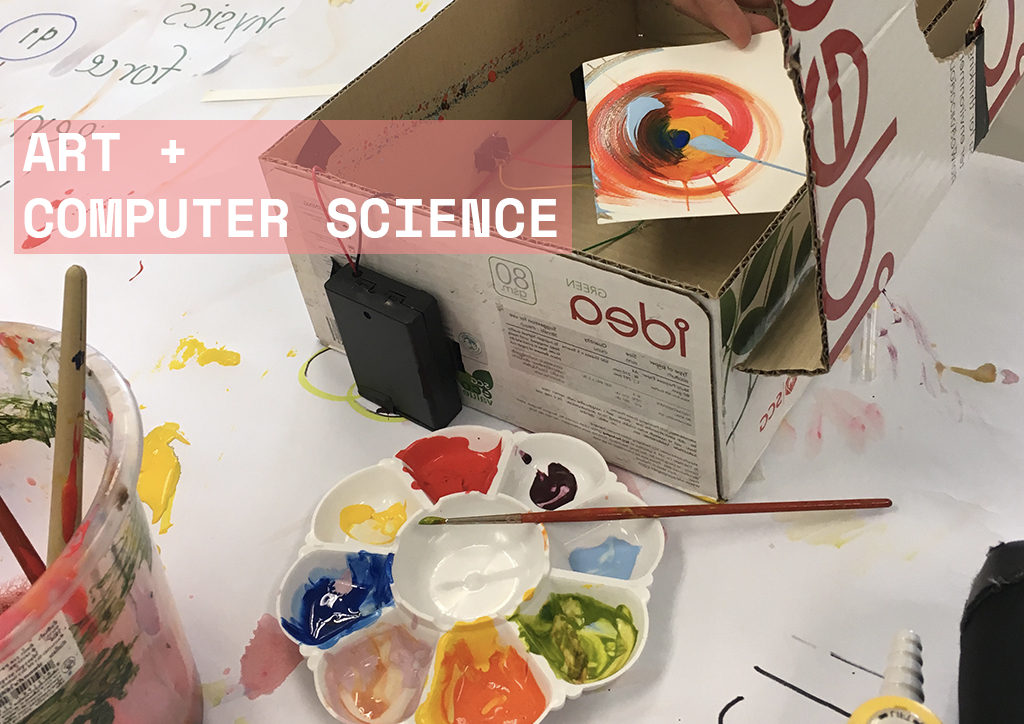
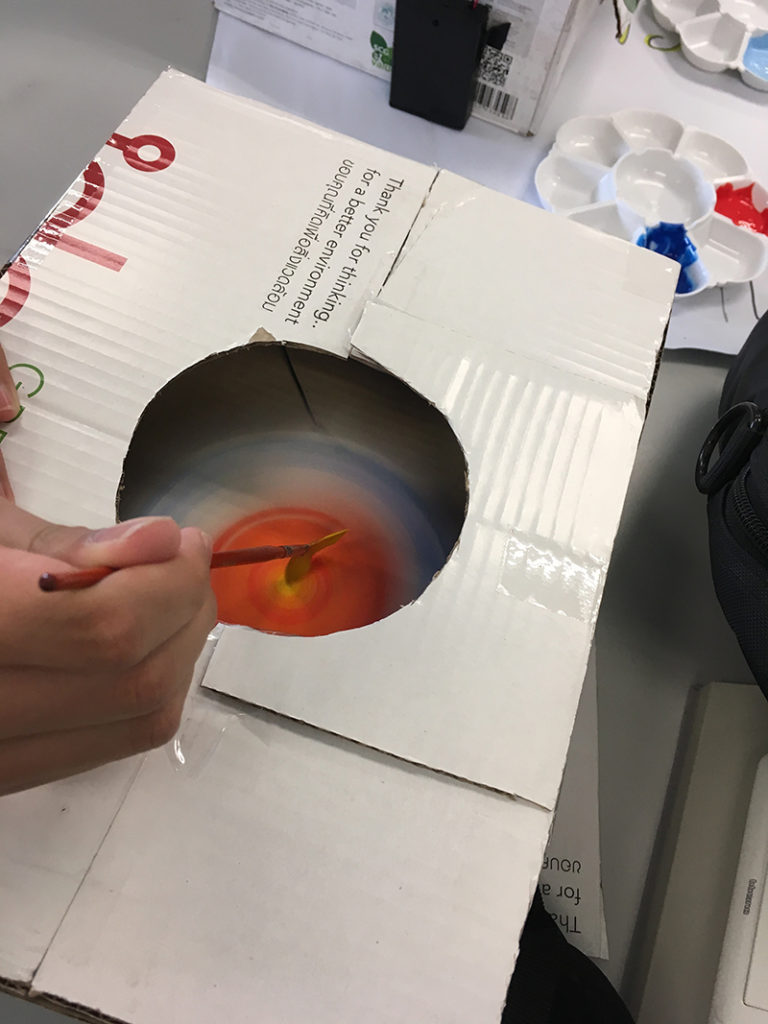
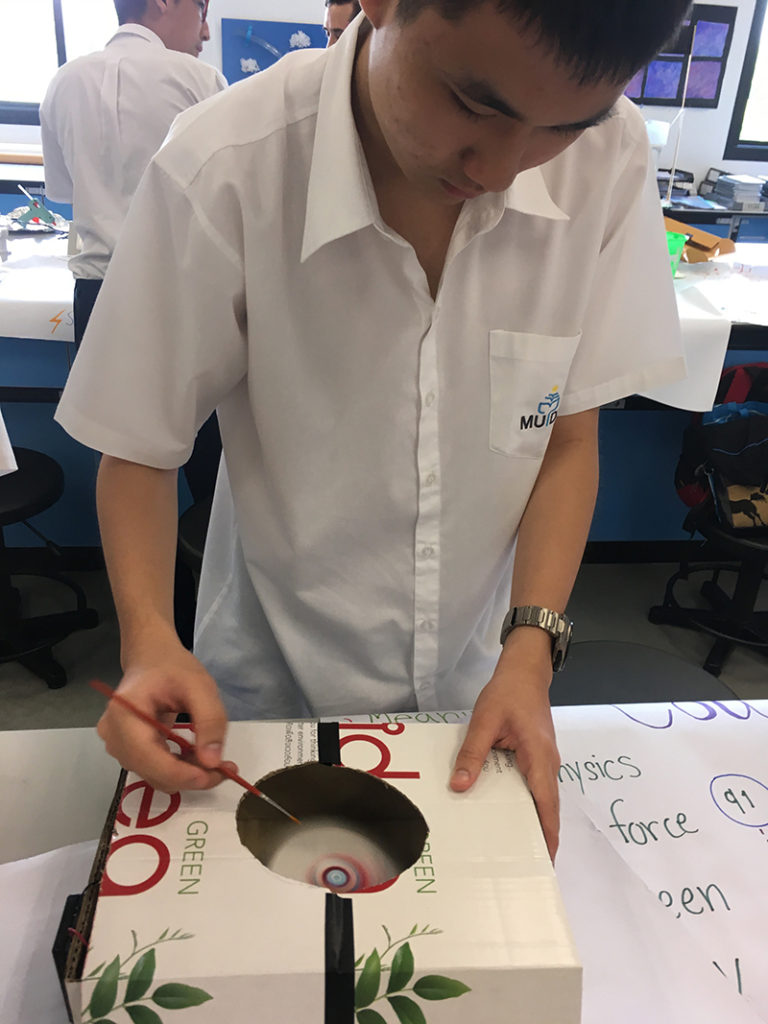
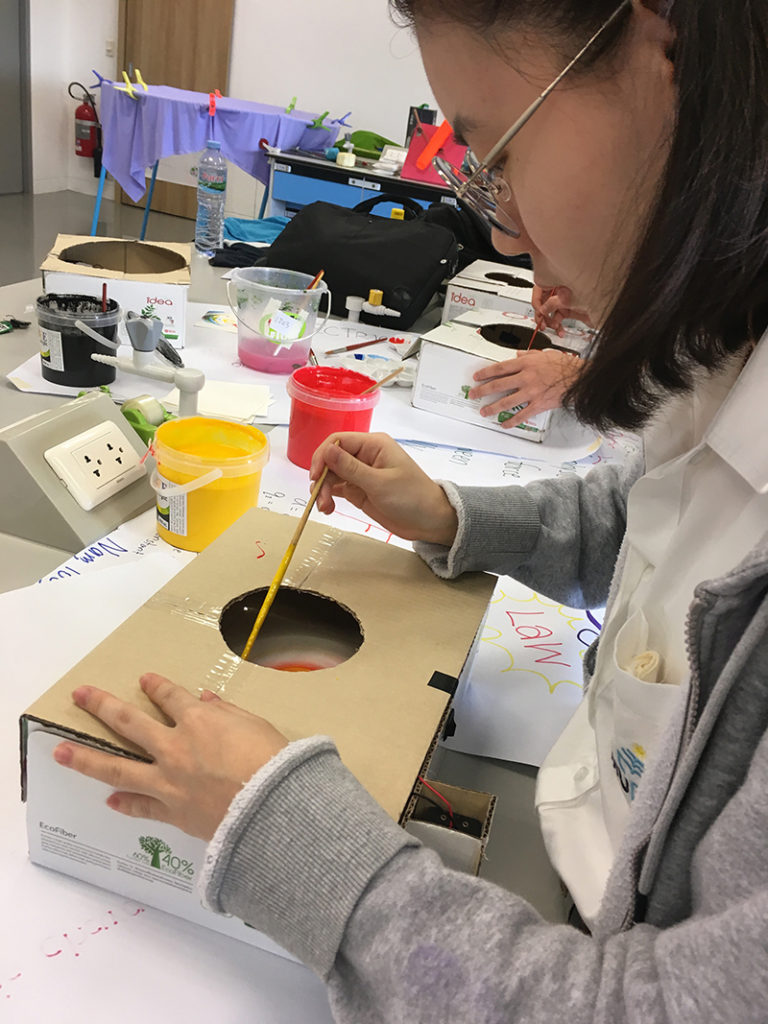
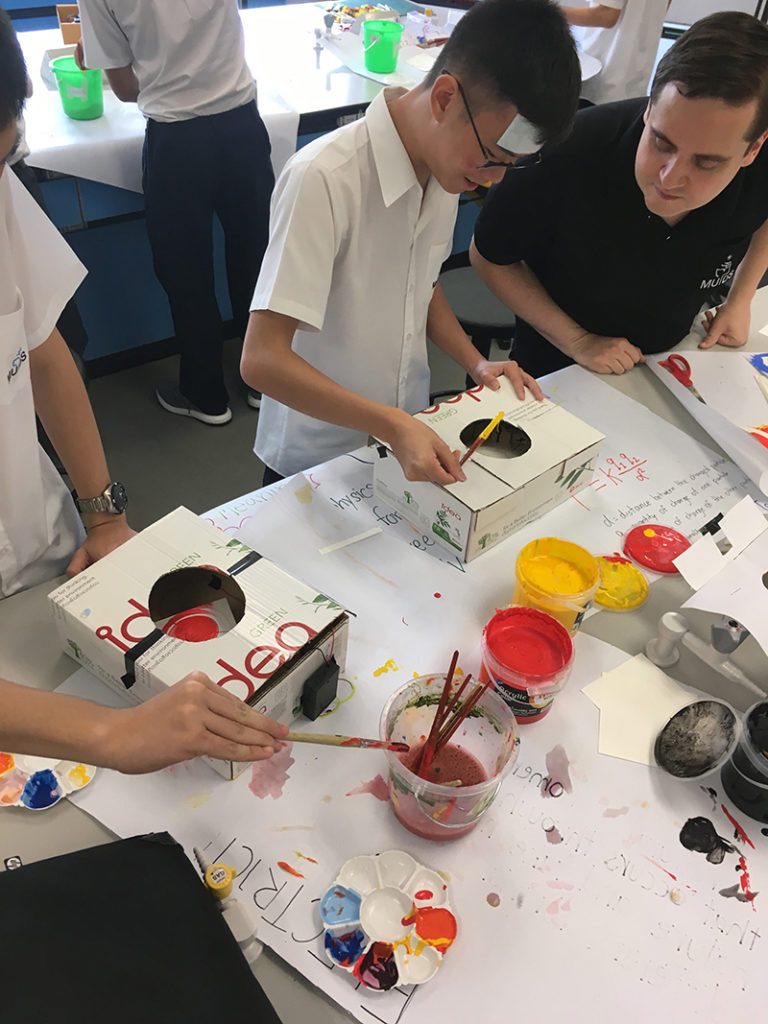
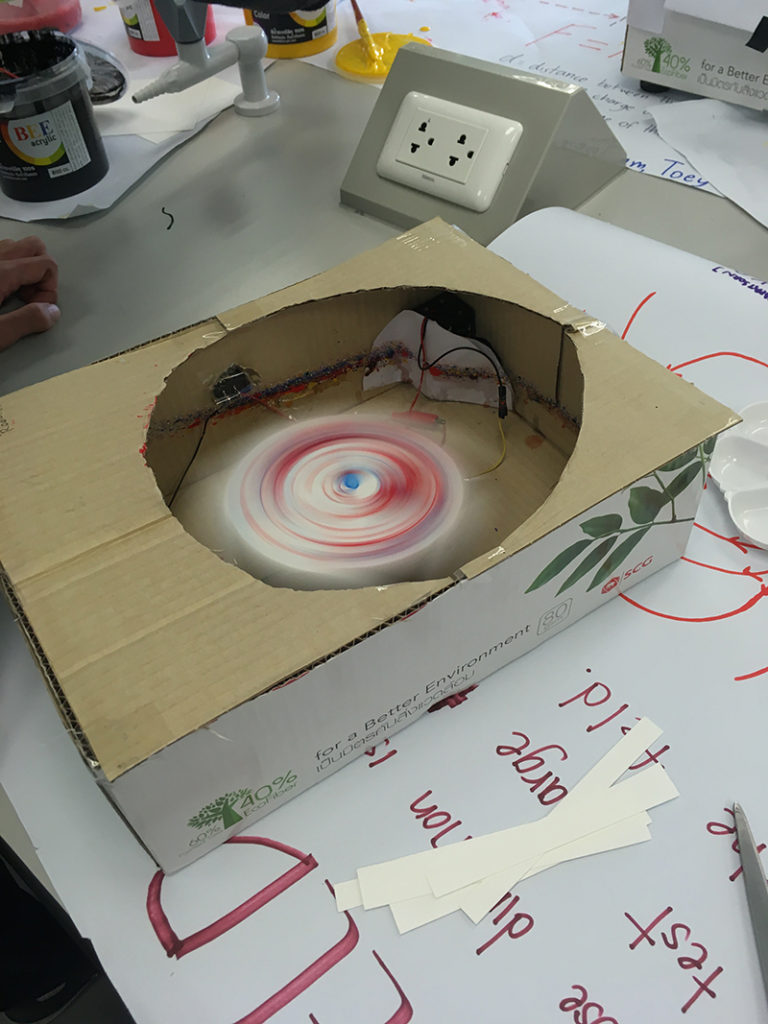
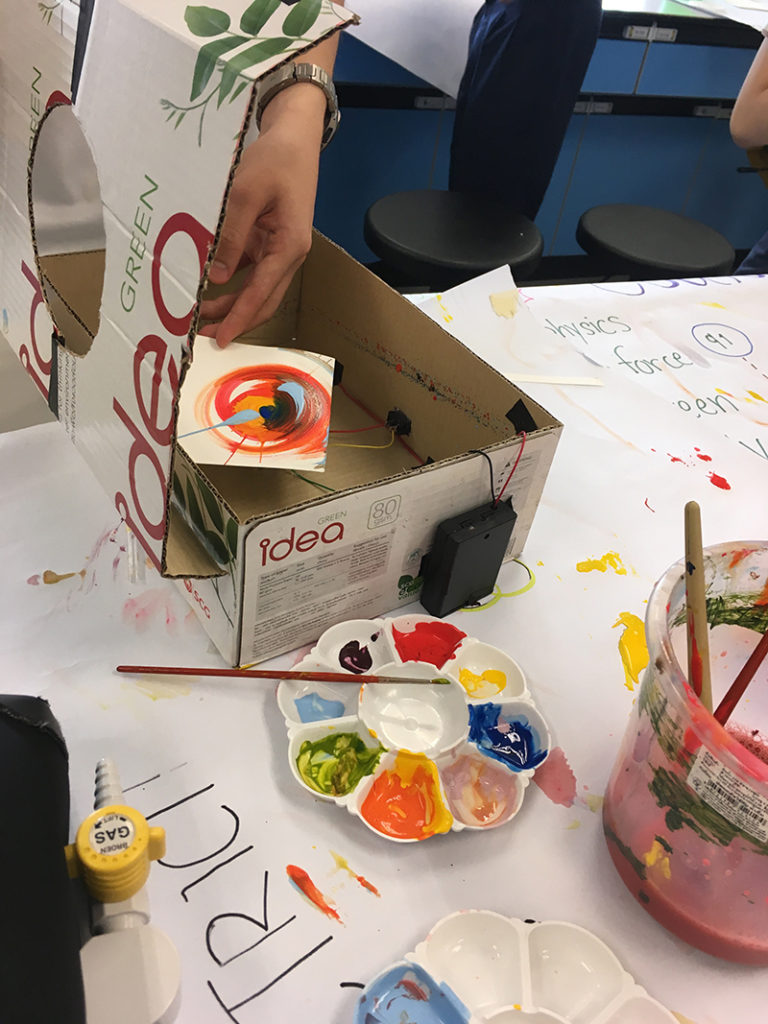
One of the projects created in the Robotics course offered by the Computer Science Department is a robot that, housed in a cardboard box, holds a spinning platform controlled by a motion sensor. It is one of the early projects made by Robotics students where they learn how to create machines that respond to the physical movements of the user.
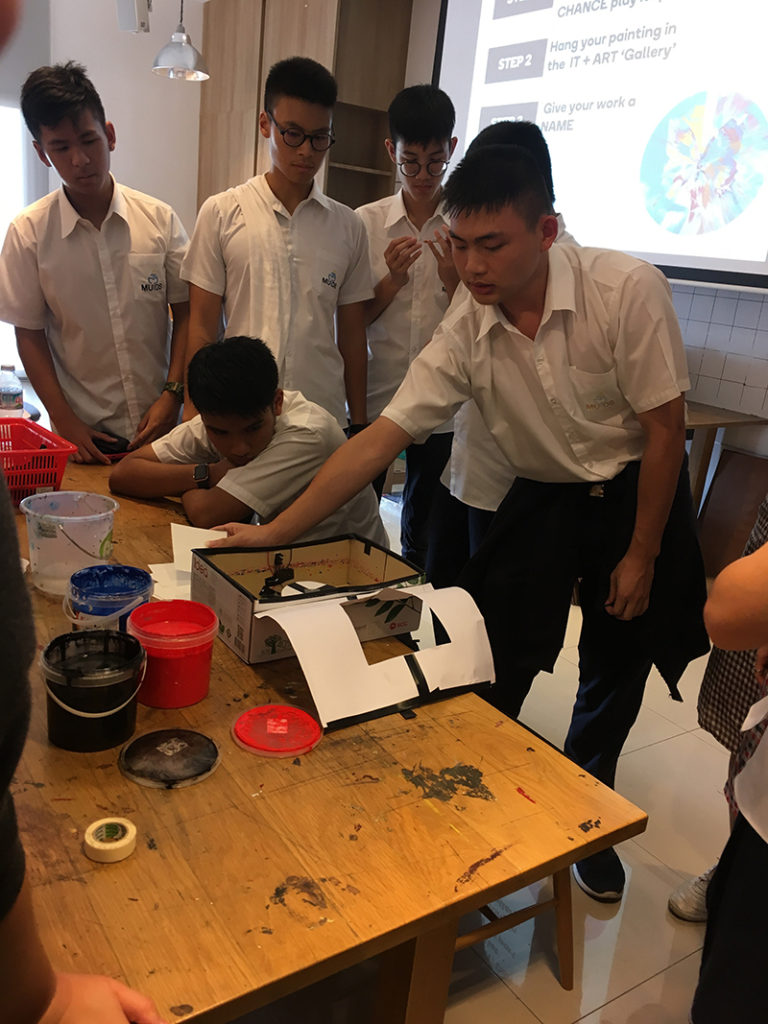
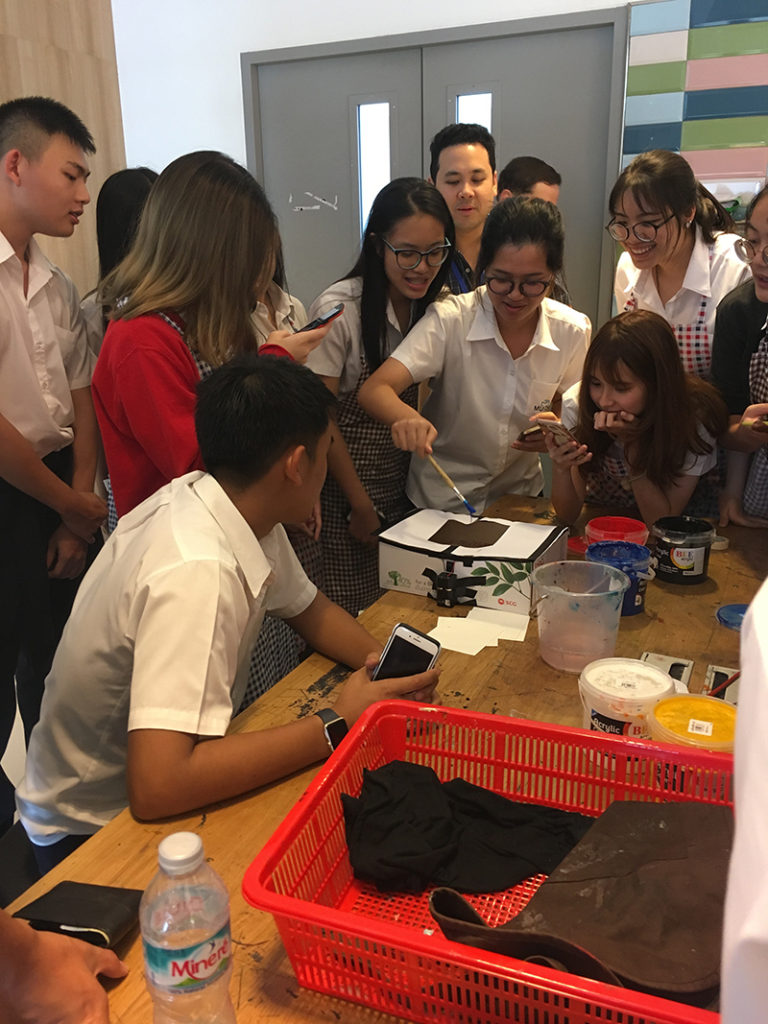
Developing creativity, in any field, is often about responding to the challenges we encounter more so than it is about ‘making’ opportunities. Innovation, which is an idea the students encounter in both their Computer Science and Art courses, further requires the ability to respond to the challenges that one is posed with. The task we presented to the students – to use their spinning, motion-detecting robots to create art – had some limitations. While their robots utilized the user’s motions to set them in action, the spinner itself was also very much in control of the image they were building. Students were asked to embrace chance, seek beauty in the uncontrollable, and respond to their work as it unfolded. They were invited to add materials/colors of their choosing, decide when the work needed more of this or that, and ultimately make the final call as to when their painting could be deemed a complete, spin-art masterpiece.
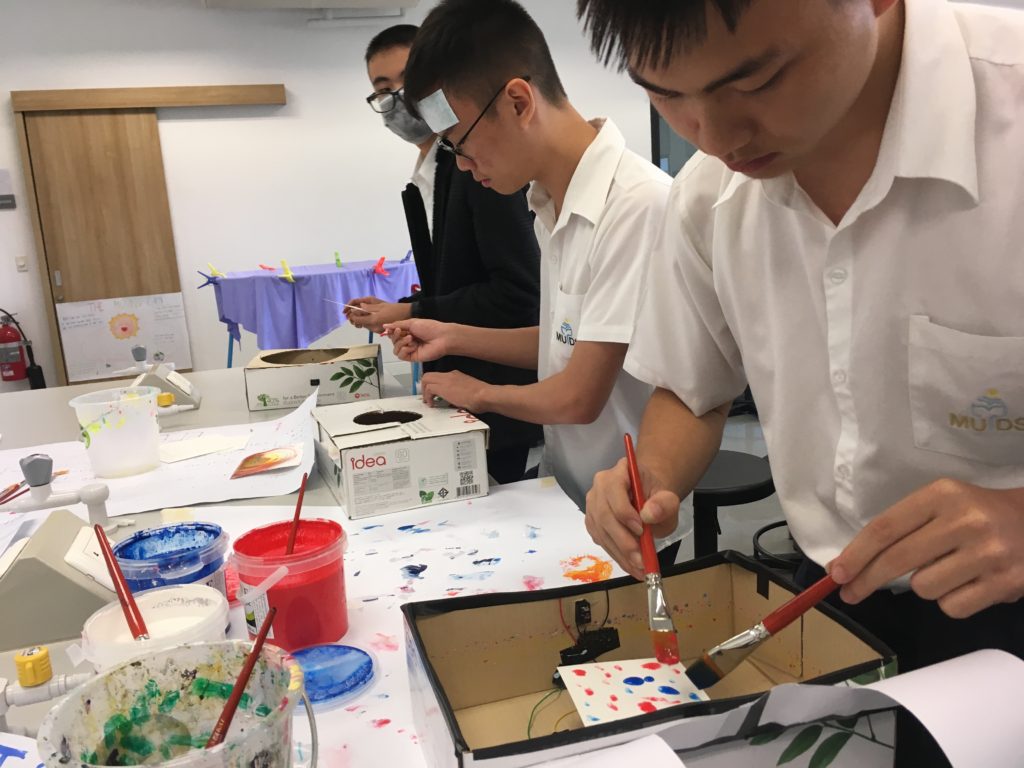
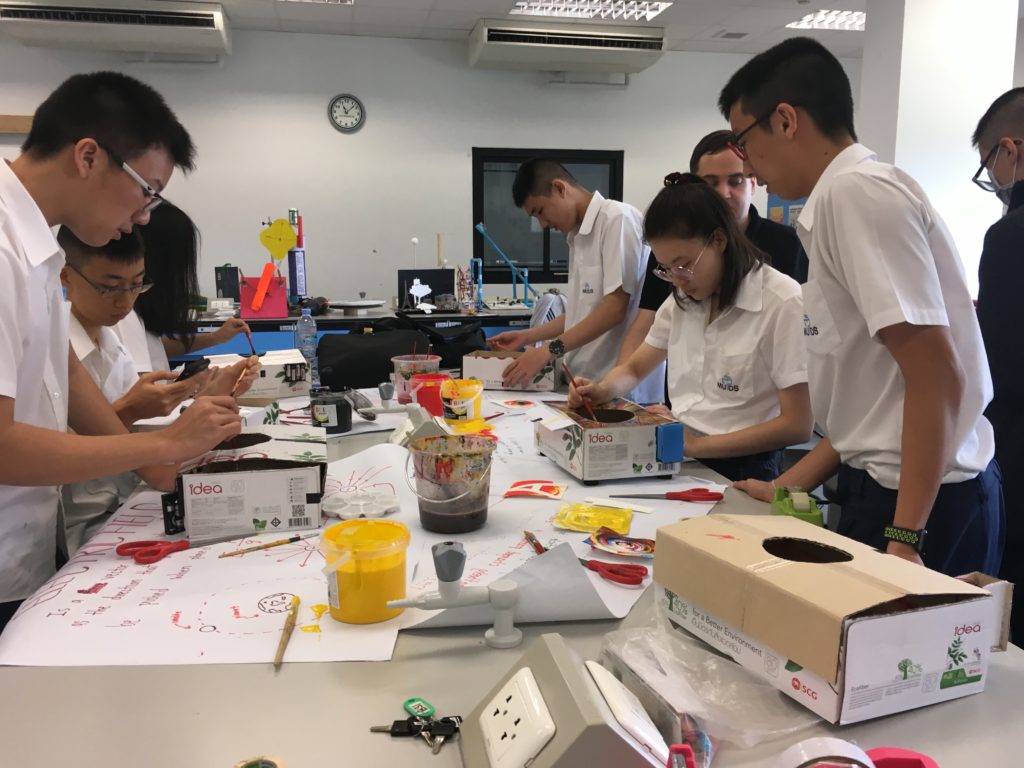
REFLECTION
When our Computer Science teacher approached me about this collaboration I wasn’t sure how to incorporate it into the art class without it just feeling like a random activity stuck within our already time-constrained curriculum. The other challenge was that in some sections of the art class there were only a few students who were also in the Robotics class and in one case only one sole student. This section, however, turned out to be the one that, in my opinion, benefitted the most from the collaboration. I invited the student who was the only Robotics representative to present to the class how he had created the robot and to walk them through the activity. At first, he was nervous and unsure about taking on this responsibility but told me that he would go for it. He did a fantastic sharing with the students his process of creating the robot and inviting them to participate in the art activity. The students benefitted not only from learning a bit about robots but also from being taught by one of their peers. They showed him great respect during his presentation and granted him a newfound sense of confidence that remained evident from that day onward. At times I think it is hard for instructors to see how collaboration can fit in, and to take the opportunity to step outside the curriculum we have already created. Taking on this collaboration and seeing the different ways that the students benefitted from it reminded me that sometimes just taking time out of our regularly scheduled program for something a bit different is, in itself, of great value.