Do You See Me Like I See You?
In the first unit of the semester, we investigate the creation of a self-portrait through drawing. Students are encouraged to reach beyond purely observational drawing, incorporating expressive content into their work and depicting aspects of their personality and character.
ESSENTIAL UNDERSTANDING –
How can I utilize observational and conceptual drawing to create a self-portrait depicting not only what I look like, but also who I am?
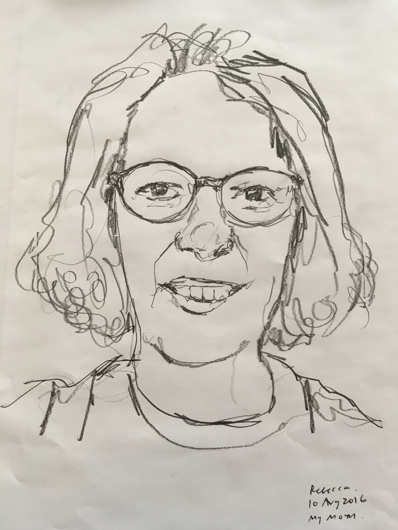
We begin with our class with an exercise asking the students to create one drawing of a person from memory…
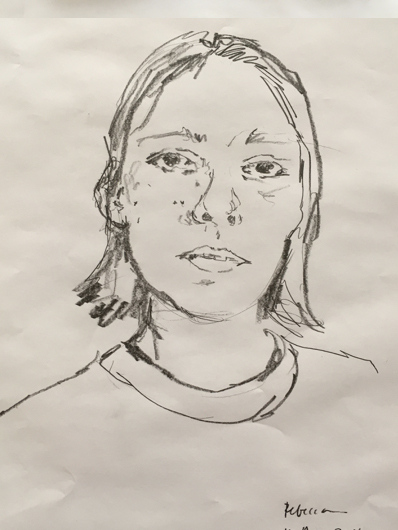
and one drawing from observation. The students are provided a mirror and prompted to develop a warm-up self-portrait.
After developing these two warm-up drawings, we discuss ideas such as – What is descriptive? What is expressive? And how descriptive and expressive content in an image can complement one another to support greater understanding. Further questions the students are presented with include – How can one define themselves through an image? and how elements such as line, shape, value, form and texture act as tools of visual communication.
Students are next introduced to the potential of line to act as language through an exercise aimed at pairing the acts of description, and expression visually. Students are first asked to jot down five adjectives in their sketchbooks and informed that we will return to the list shortly. Following further introduction to techniques such as hatching, cross-hatching and stippling, we return to this list of five words. Students are then asked to communicate the meaning of their five adjectives through the use of line as language.
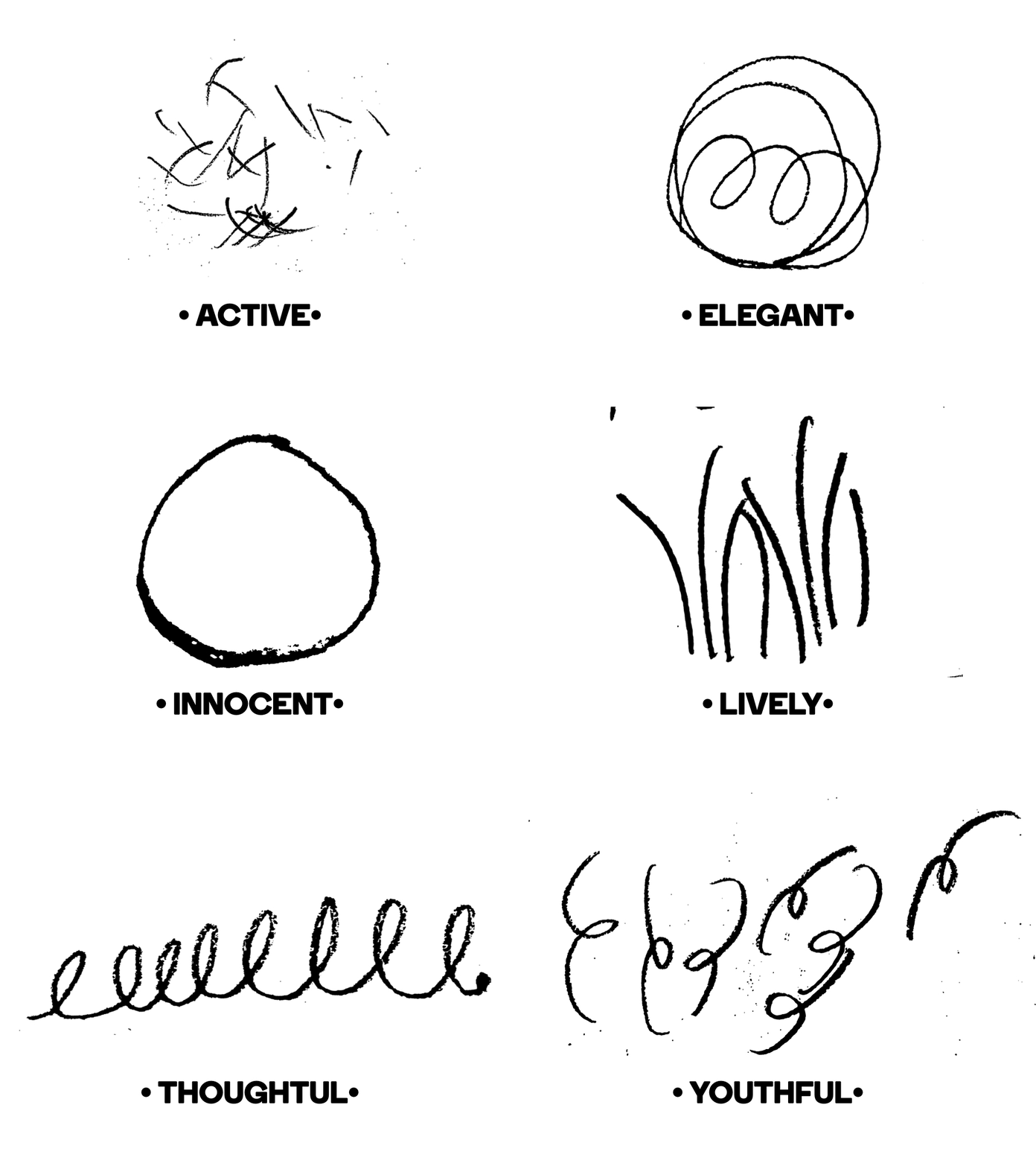
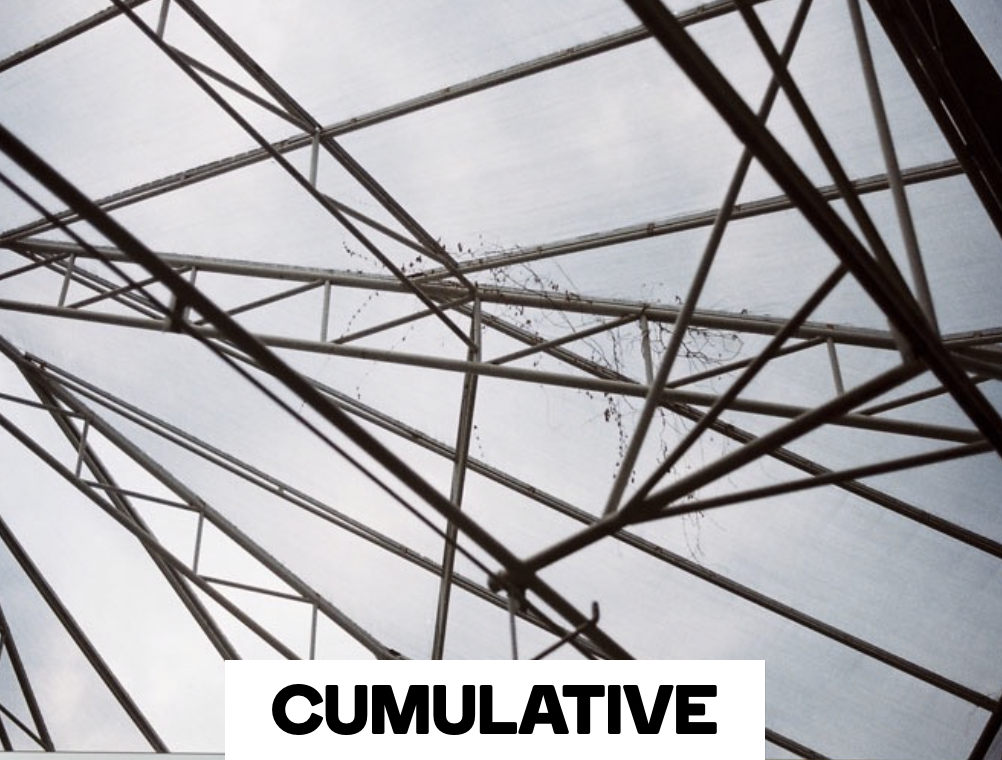
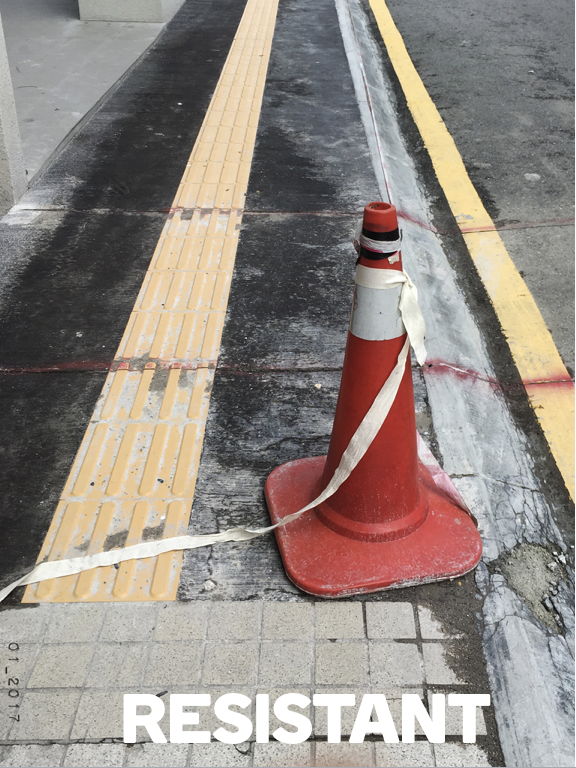
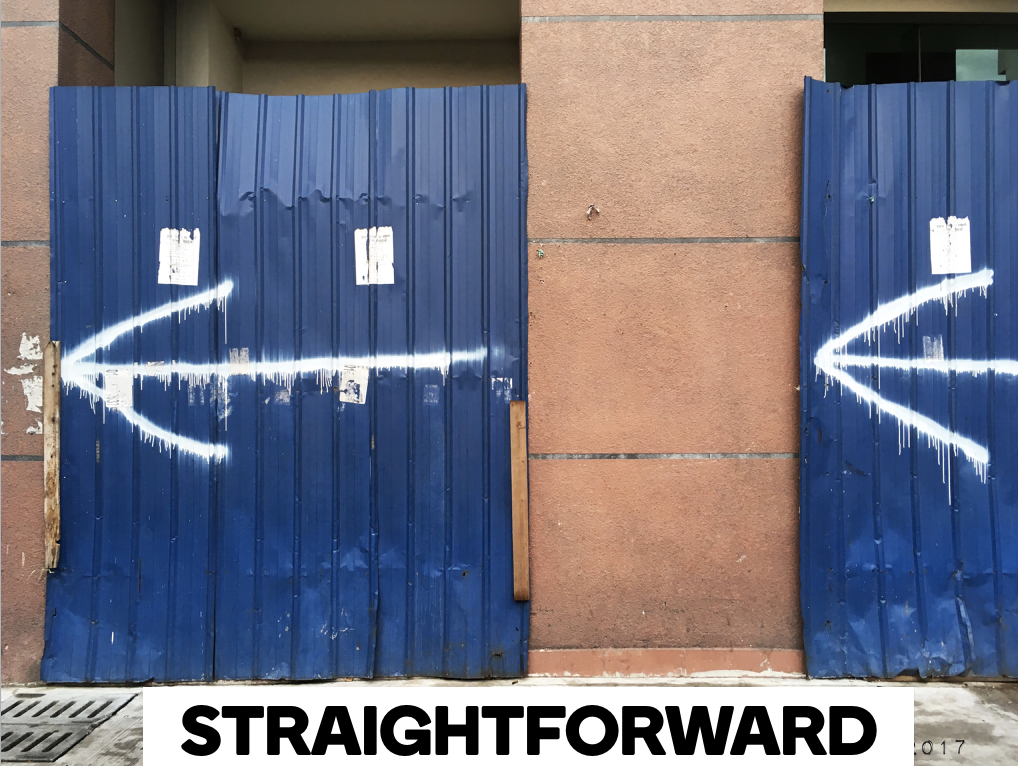
In an attempt to help the students connect the concepts explored above to their everyday surroundings and the visual culture they live within, they are asked to keep their eyes out for interesting examples of LINE as language in everyday life. These examples are collected in photograph, shared in class, and paired with fitting adjectives in small groups, ultimately resulting in a library of images where LINE alone acts as a tool of descriptive and expressive communication.
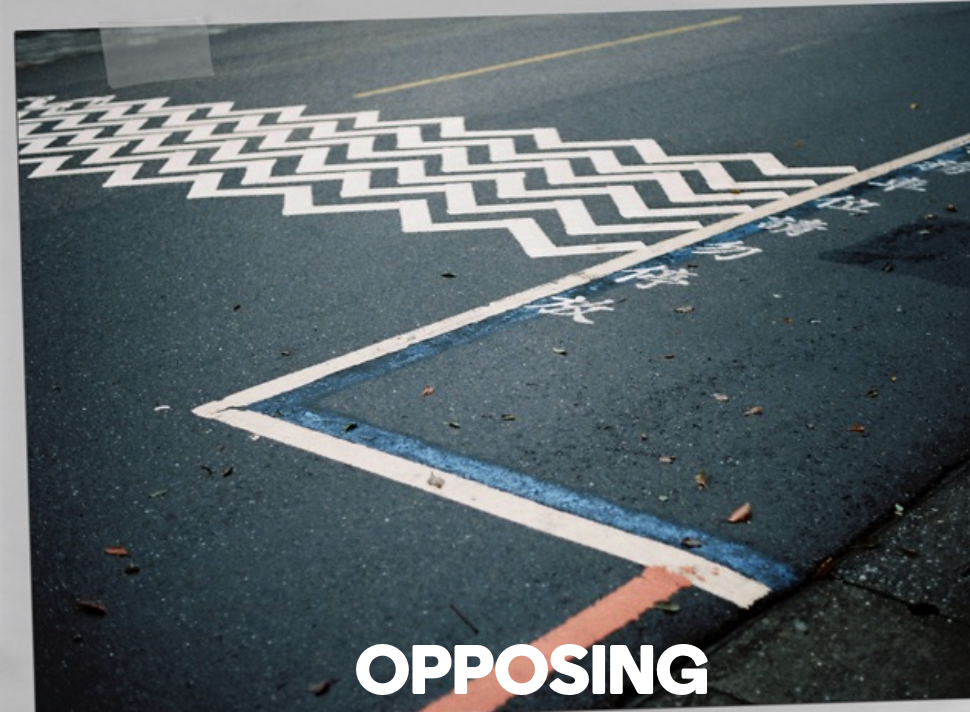
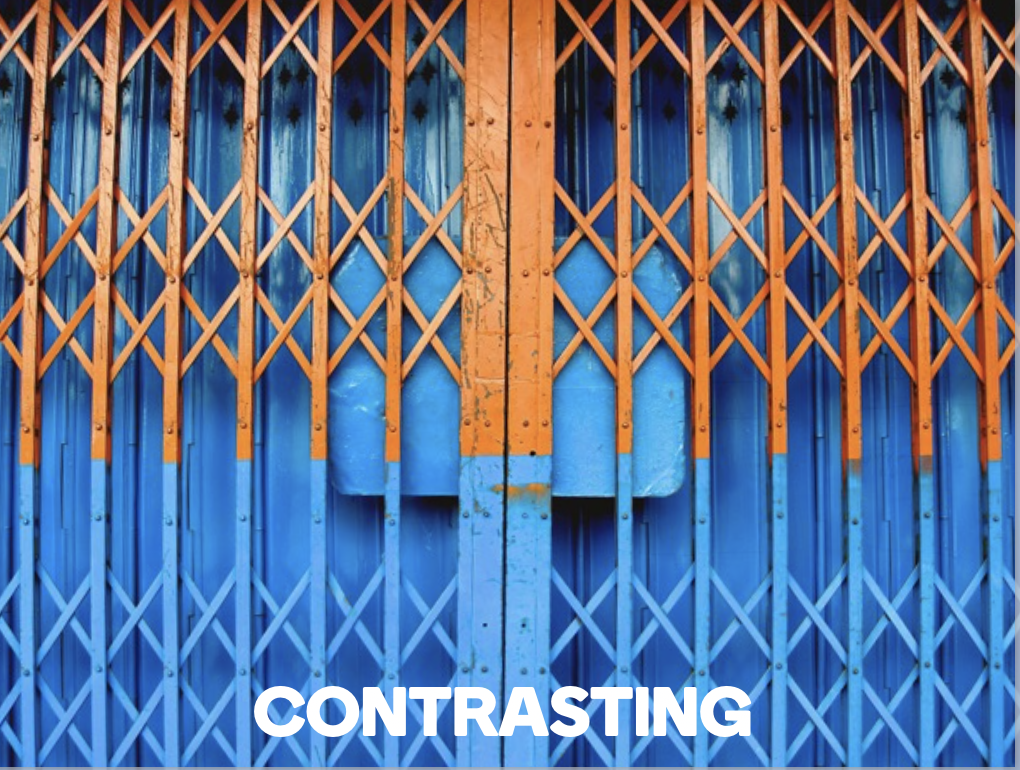
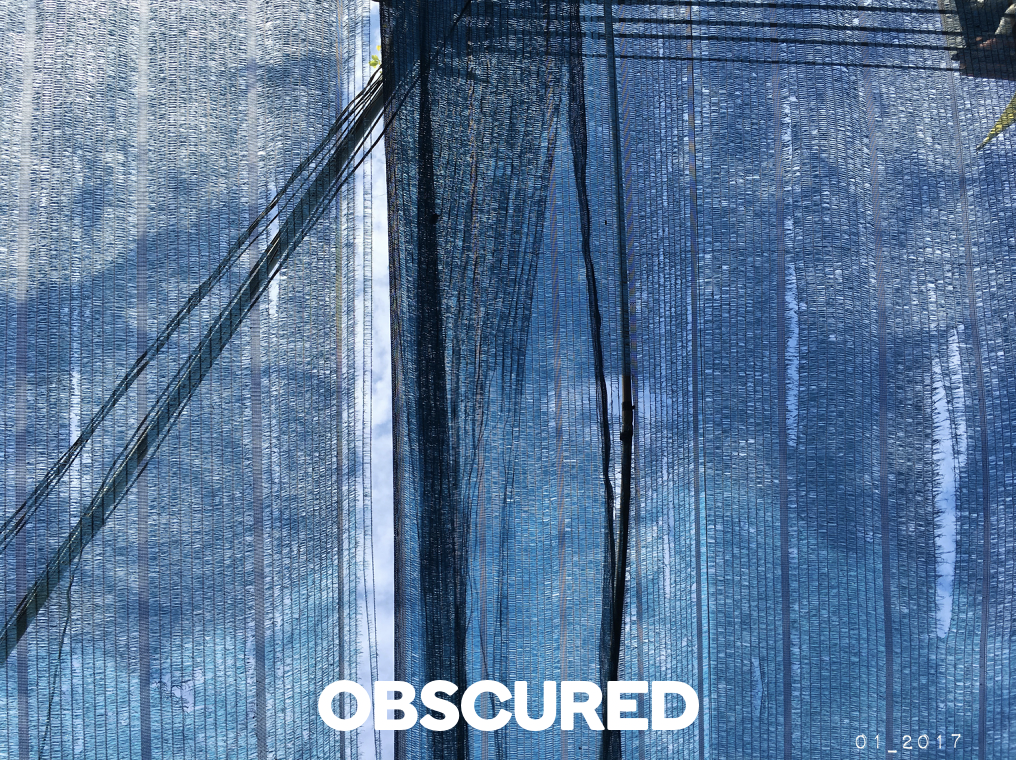
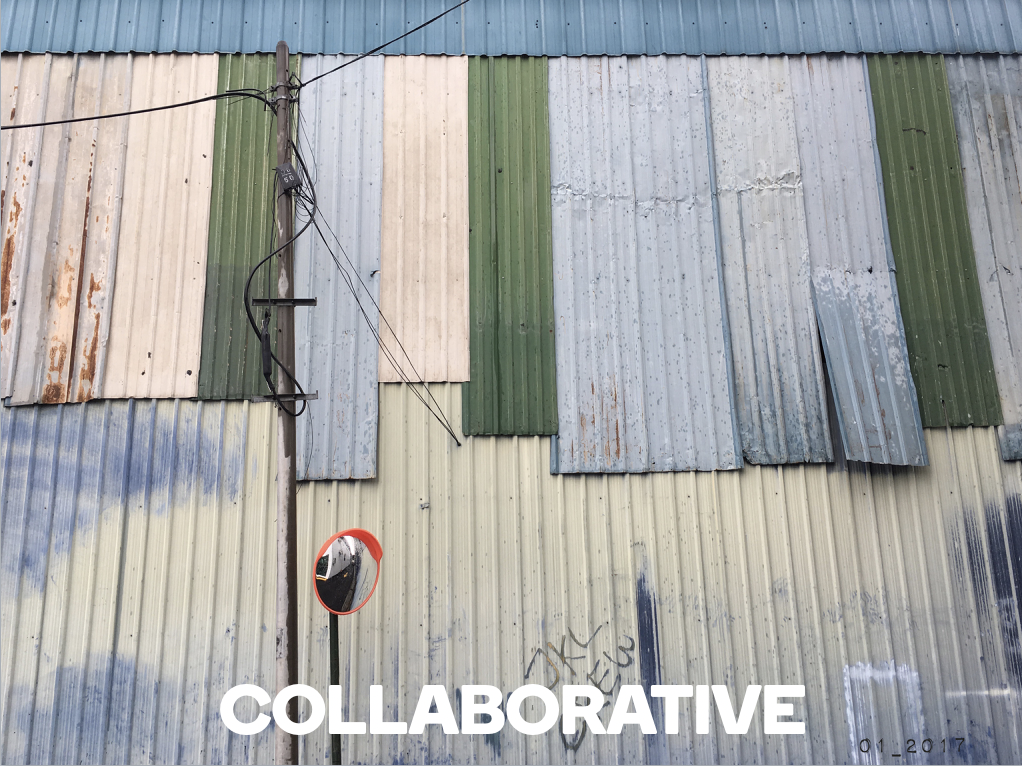

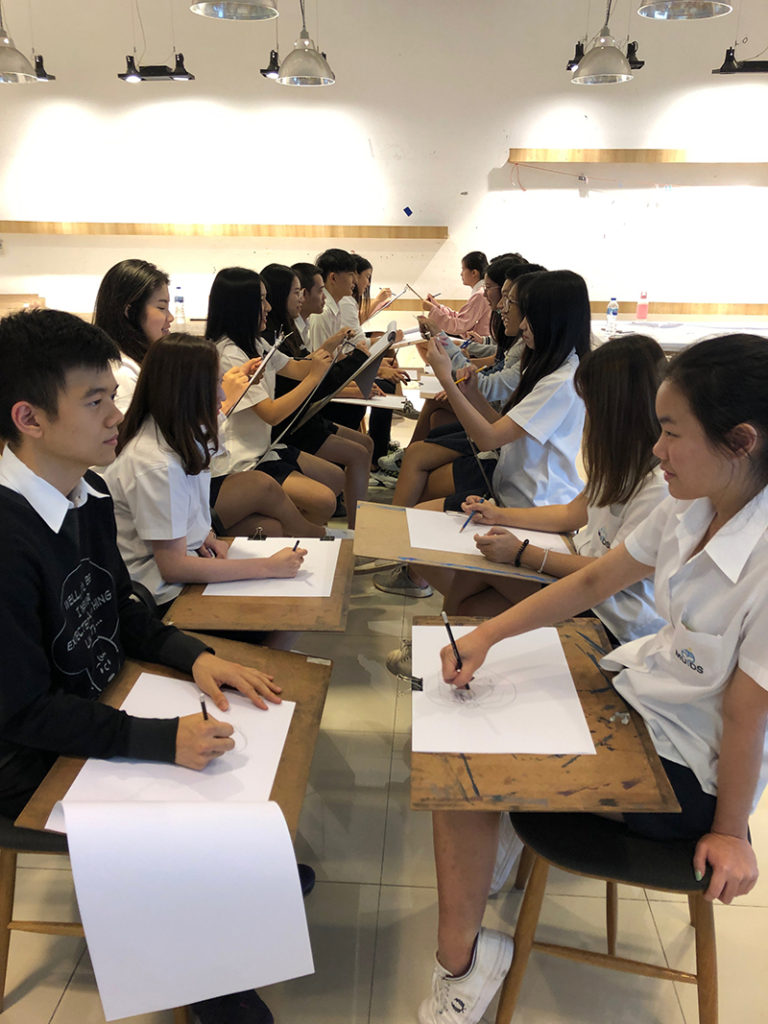
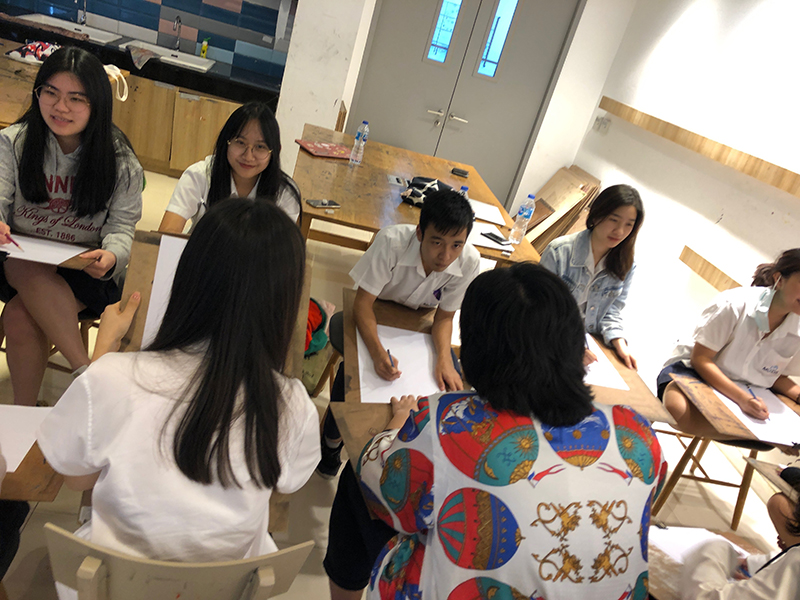
The students are next introduced to contour and blind contour line drawing, with the always-fun exercise of creating blind contour portraits of one another being one of their favorite activities of the semester.
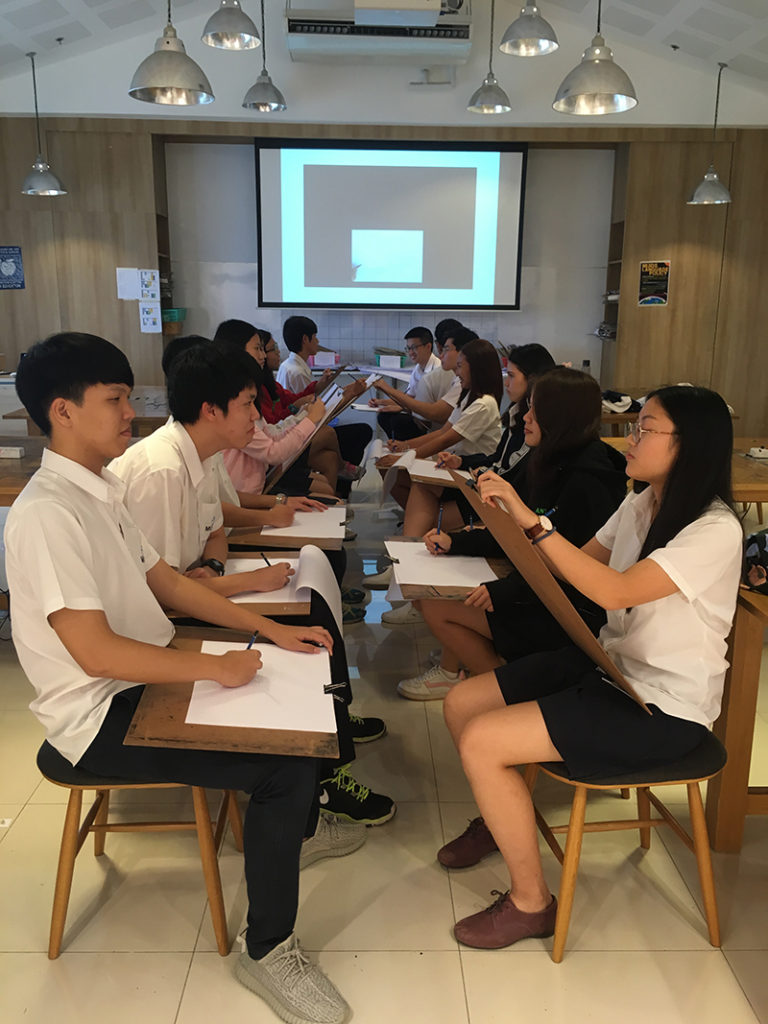
CONTEMPORARY CULTURAL CONNECTIONS
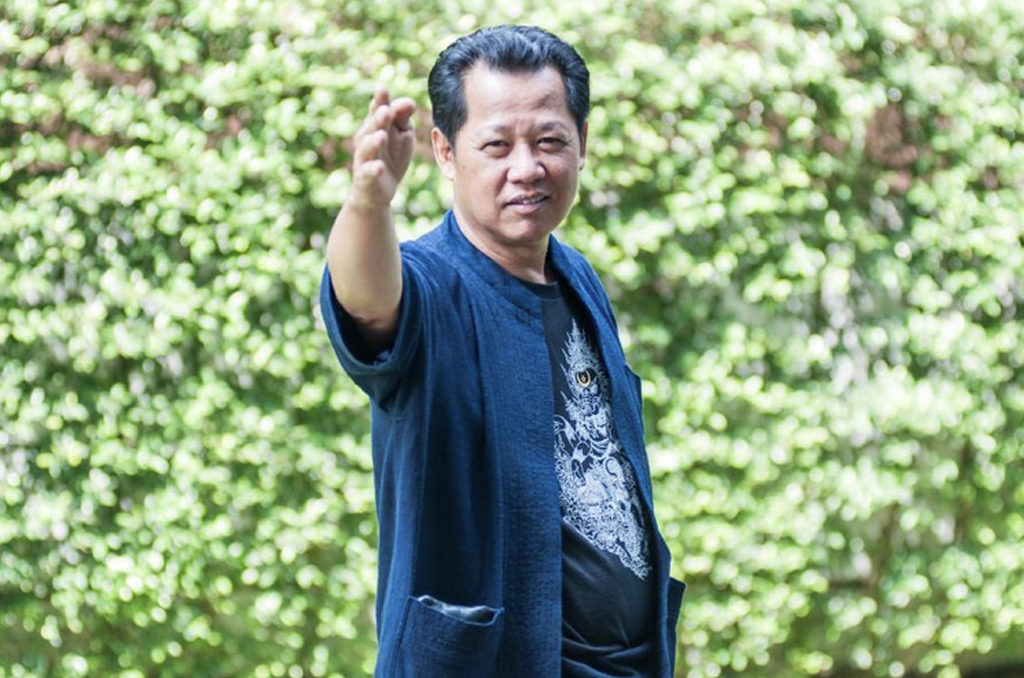
In each unit, students are introduced to the works of a contemporary Thai artist whose practice is relevant to concepts being explored within the curriculum. Unit 1 presents works by one Thai artist who the students are likely very familiar with, Chalermchai Kositpipat,
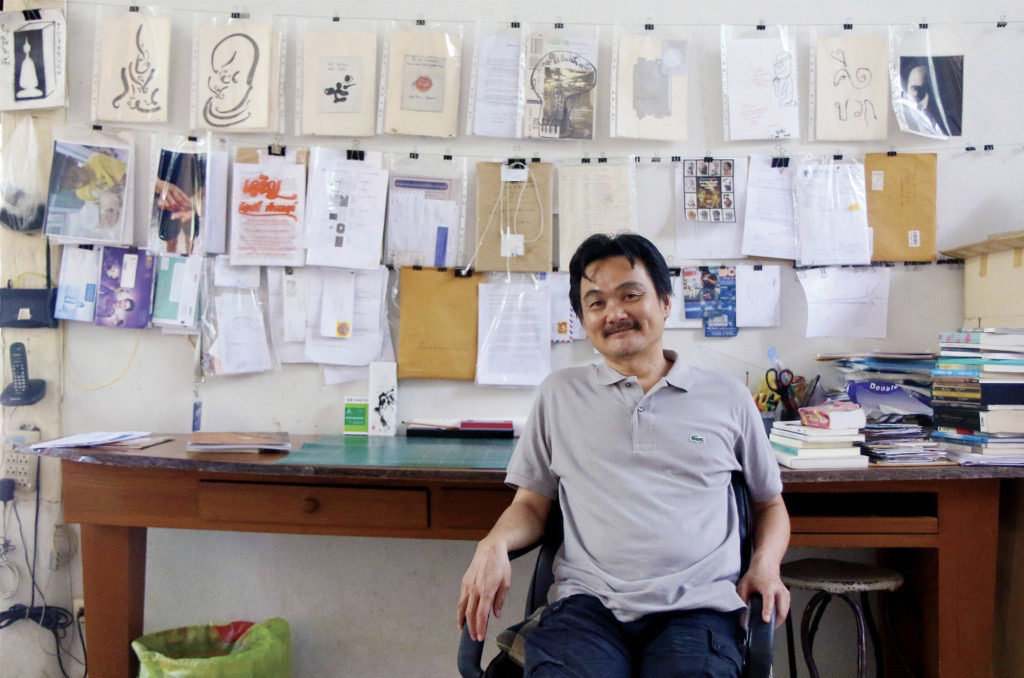
and two artists who are likely new to them, Kamin Lertchaiprasert and Korakrit Arunanondchai. Each of these three artists has very different approaches toward and processes utilized within their creative practices.

Student are invited to consider questions such as – What is art? Who is an artist? Why should we create art? Why should we look at art? and formulate their own opinions around the ideas presented by these art practitioners.
Last but not least, students are invited to begin the final project for the unit, developing a self-portrait drawing that communicates not only what they look like, but also who they are.