INVISIBLE IMPRINT
In the second unit of the semester, we investigate the technique of relief printmaking. Aimed at broadening the students view as to what creative practice is all about, they are asked to consider the role of the audience and how art may be used as a tool to facilitate a conversation around a concept.
ESSENTIAL UNDERSTANDING
How can I use my tools of visual communication to engage an audience?
How can I use my art to facilitate ‘conversation’ with the viewer?
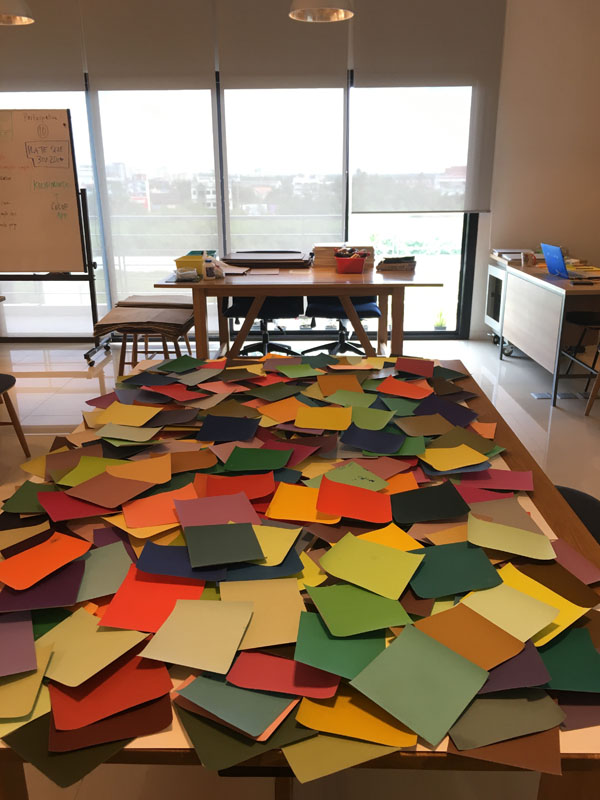
We begin Unit 2 with an introduction of color, inviting students to choose upon entering the classroom one color-aid paper of their liking.
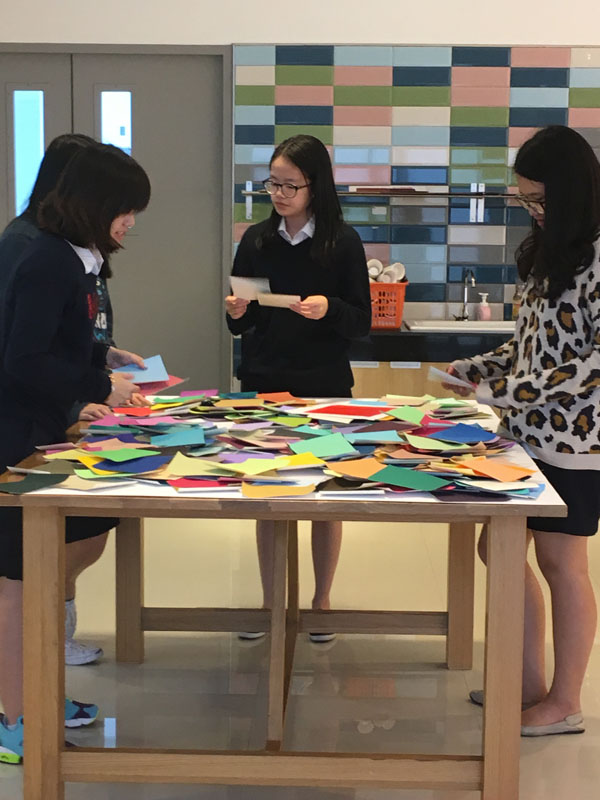
Students are next asked to pair their color with an emotion or a feeling that they feel the color represents. The color harmony of complementary colors is introduced and students find a classmate who has selected a complementary color to their own. Following, the student pairs work together to determine what emotion or feeling their complementary color pair exudes. The purpose of the activity is to introduce the students to the concept of colors being capable of acting as tools of communication, while also familiarizing them with the engaging/eye-catching nature of complementary color pairs.
CONTEMPORARY CULTURAL CONNECTIONS
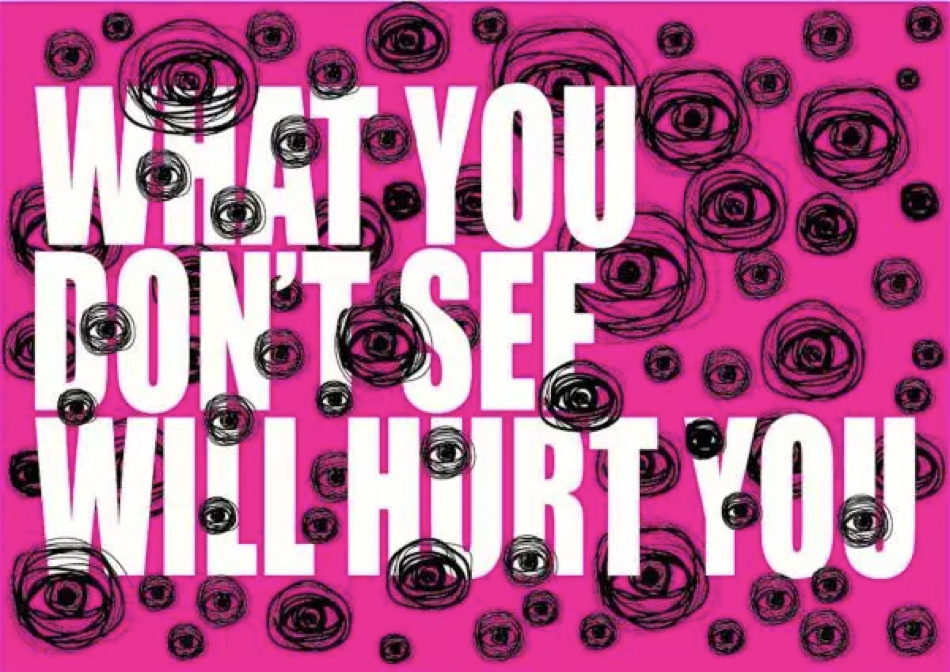
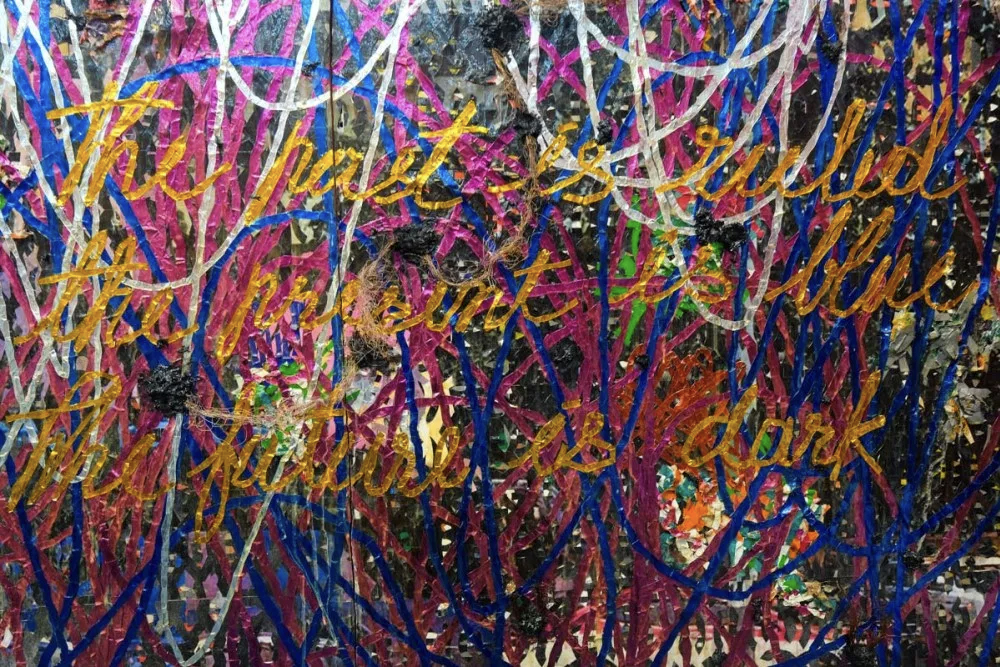
Students are within this unit introduced to the works of Thasnai Sethaseree, and explore the ways in which his works, which effectively obscure images of political spectacle in Thailand, actually succeed in engaging the audience and facilitating a conversation around these issues made invisible through his collaging of paper upon them.
Students next work to create an ‘Invisible Imprint’ brainstorm, working together to come up with as many ideas as they can of issues that are invisible, hard to talk about, or not talked about enough in Thai society.
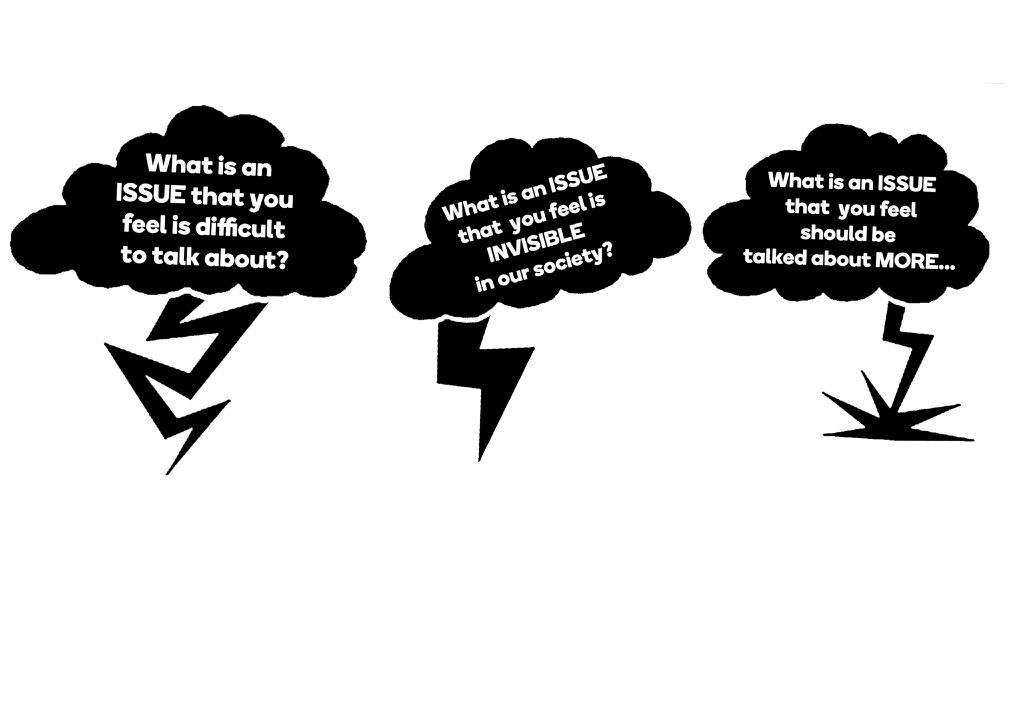
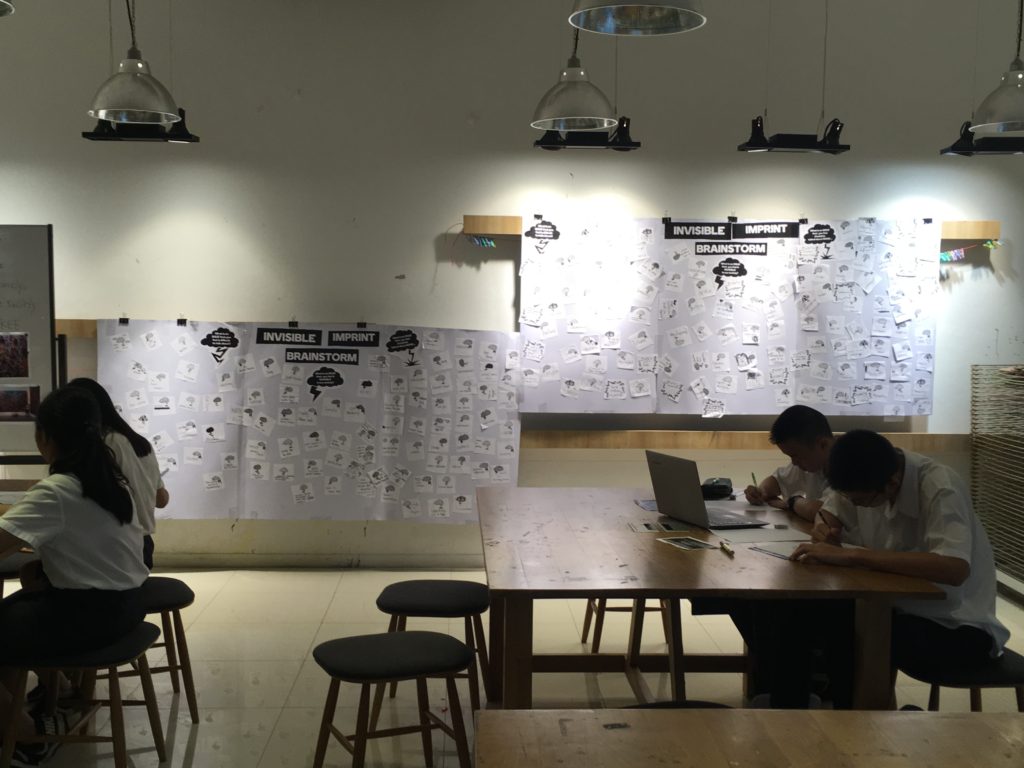
Students are now invited to begin the final project of the unit, firstly selecting an issue from the brainstorm they feel is invisible in society and with to center their work around…
Students are now invited to begin the final project of the unit, firstly selecting an issue from the brainstorm they feel is invisible in society and with to center their work around…
Secondly, students utilize tools of visual communication to render this issue in image via the technique of relief printmaking.
Thirdly, students ‘exhibit’ their art in a location that is relevant to the issue depicted so as to facilitate conversation with their audience.
Students ultimately submit documentation of their exhibition via video or photograph.
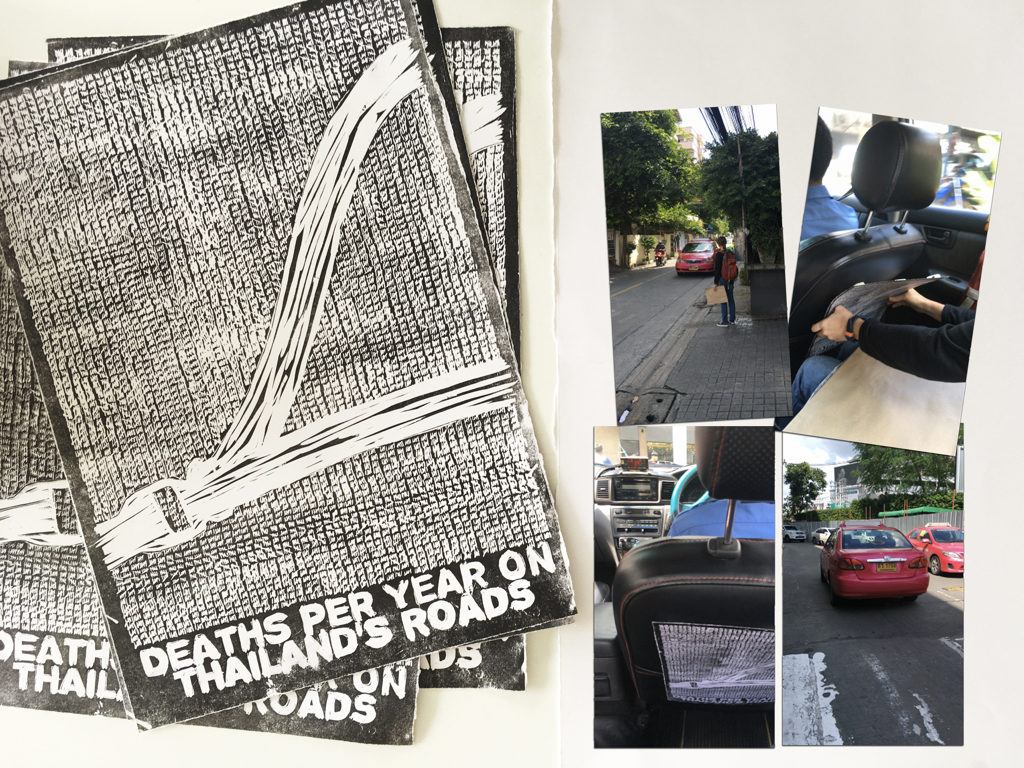
Through the unit, students are given the opportunity to compare and contrast functions of art, as well as draw connections between society/culture and issues explored through artistic practice.
They are invited to utilize creative practice to respond to issues in society with a visual statement and evaluate the effectiveness of different art elements/principles to communicate an intended idea.
They are also introduced to the idea of analyzing and respecting the role of the audience in artistic practice, a concept furthered upon in Unit 3.